Events
Supporting Palm Lakes Hervey Bay Pink Ribbon Fundraiser
5th November 2026

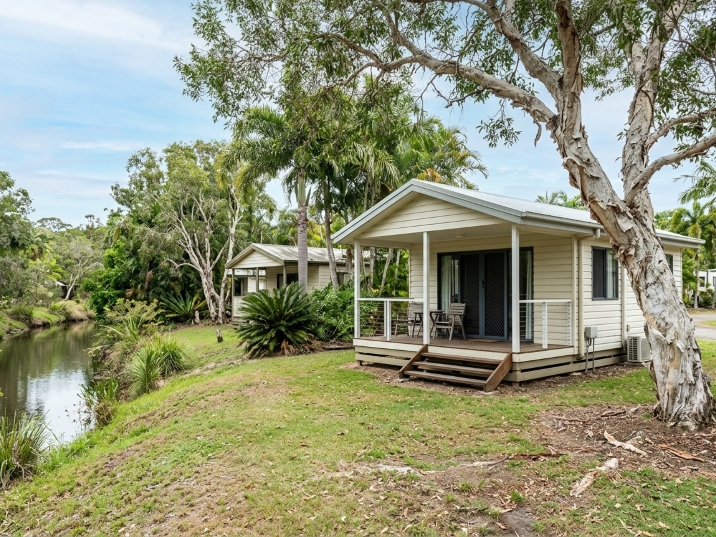
The warmer months are here, making it the perfect time to escape to your holiday cabin.
But if your cabin has been sitting empty for weeks, or even months, there might be a few surprises waiting when you arrive.
MHIA have put together a practical cabin maintenance checklist to help you avoid spending your holiday cleaning, fixing things or organising repairs.
When you're looking forward to a relaxing getaway, holiday cabin maintenance probably isn't at the top of your to-do list.
Spending a little time preparing before you leave home can save you time, frustration and even money.
Arriving while it’s still light is a good idea if no-one has been to your cabin for a while. You'll have a better chance to spot potential problems and deal with anything that needs attention.
If you visit your cabin regularly, you may already have cleaning supplies there. If not, try putting together a cabin upkeep kit that includes:
Before you head indoors, check around outside for anything that's changed since your last visit. Even minor damage can become a bigger problem when nobody is around to notice it.
Check for cracks, loose panels, gaps, peeling finishes or other signs of deterioration.
From ground level, look for damaged or displaced roofing materials, rust or anything that seems out of place.
Check for visible blockages, sagging or signs that water isn't draining properly.
Look for loose boards, damaged handrails, slippery surfaces or signs of timber deterioration.
Check that frames, seals and locks are in good condition and that everything opens and closes properly. Pay extra attention to areas where water could enter.
If something needs repairing, arrange for a qualified professional rather than trying to do potentially dangerous jobs yourself. Some things are best left to experienced tradespeople.
With Australia's unpredictable weather, it's worth taking extra precautions before severe conditions arrive.
Vegetation can grow quickly during warmer, wetter months, while fallen branches, a build-up of leaves and pest activity may create problems around the property.
A good reason to arrive during daylight hours is so you can:
Remember that maintenance responsibilities can vary depending on your cabin's location and the rules of your holiday park or land lease community.
You've checked outside and everything looks good. Now it's time to head indoors.
If your cabin has been empty for a while, resist the temptation to throw open the doors and let everyone rush inside. Australia has lots of wildlife who would find an unoccupied cabin a wonderfully snug place to live.
Before bringing in the luggage, take a careful look around for:
Use a torch to check areas that are difficult to see and avoid reaching into dark spaces or moving items where an animal might be hiding.
If you encounter a snake or potentially dangerous animal, keep your distance, move people and pets away, and contact a licensed wildlife professional for help.
Once you're happy everything is safe, you can start bringing in the bags and getting comfortable.
Take a look in areas where moisture problems commonly develop:
Look for discolouration, water stains, visible mould or persistent musty smells.
If things are smelling a bit stuffy and musty, throwing open the windows can do wonders.
Check that ventilation openings are clear and exhaust fans are working properly.
If your cabin has an air conditioner or dehumidifier, make sure it's operating properly and any filters or maintenance requirements are up to date.
Regular ventilation can help reduce moisture build-up and keep the interior feeling fresh between visits.
Once you've checked for maintenance issues, it's time to put your handy, portable cleaning kit to use.
Dust surfaces, sweep or vacuum floors, wipe down the kitchen and bathroom, and air out bedding and soft furnishings.
If you're interested in environmentally friendly cleaning options, our article on sustainable living and eco-friendly maintenance includes DIY cleaning ideas, reusable products and a handy room-by-room checklist.
One of the biggest challenges of owning a holiday cabin is that you aren't always there to notice when something needs attention.
It's easy to spot a leaking tap or a loose window seal when you're living in a property every day. But when you only visit sometimes, small problems can go unnoticed for weeks or months.
That's why keeping a simple maintenance record is such a clever idea.
Whether you keep a cabin upkeep notebook onsite or a list on your phone, record anything that needs attention.
Include the date you noticed the problem, what needs doing and whether repairs have been completed.
You might also find it helpful to keep a separate list of supplies to bring next time.
If you find damage and it’s safe to do so, take photos before arranging repairs.
Keep records of maintenance work, including receipts, invoices and details of any professional repairs.
These records can help you track your cabin's condition over time and may be useful if you need to make an insurance claim.
If you find significant damage, contact your insurer as soon as possible before arranging non-urgent repairs. Always take reasonable steps to prevent further damage if it’s safe.
Whether you visit every weekend or only manage a few holidays each year, keeping your cabin in good condition can make every getaway more enjoyable.
A little planning, regular inspections and a simple maintenance checklist can help you spend more time relaxing.
And while looking after your cabin is important, so is making sure you have the correct insurance.
If you'd like to learn more about MHIA specialist cabin insurance, or you're unsure whether your current cover still meets your needs, contact our friendly team.
We're here to help you protect your cabin, so you can get back to enjoying it.