Lifestyle
Do these 5 things before you leave on your next holiday – land lease edition
27th October 2026

Maybe your family home suddenly feels bigger than you need. Perhaps you’re thinking about retirement, downsizing or simply looking at different housing options.
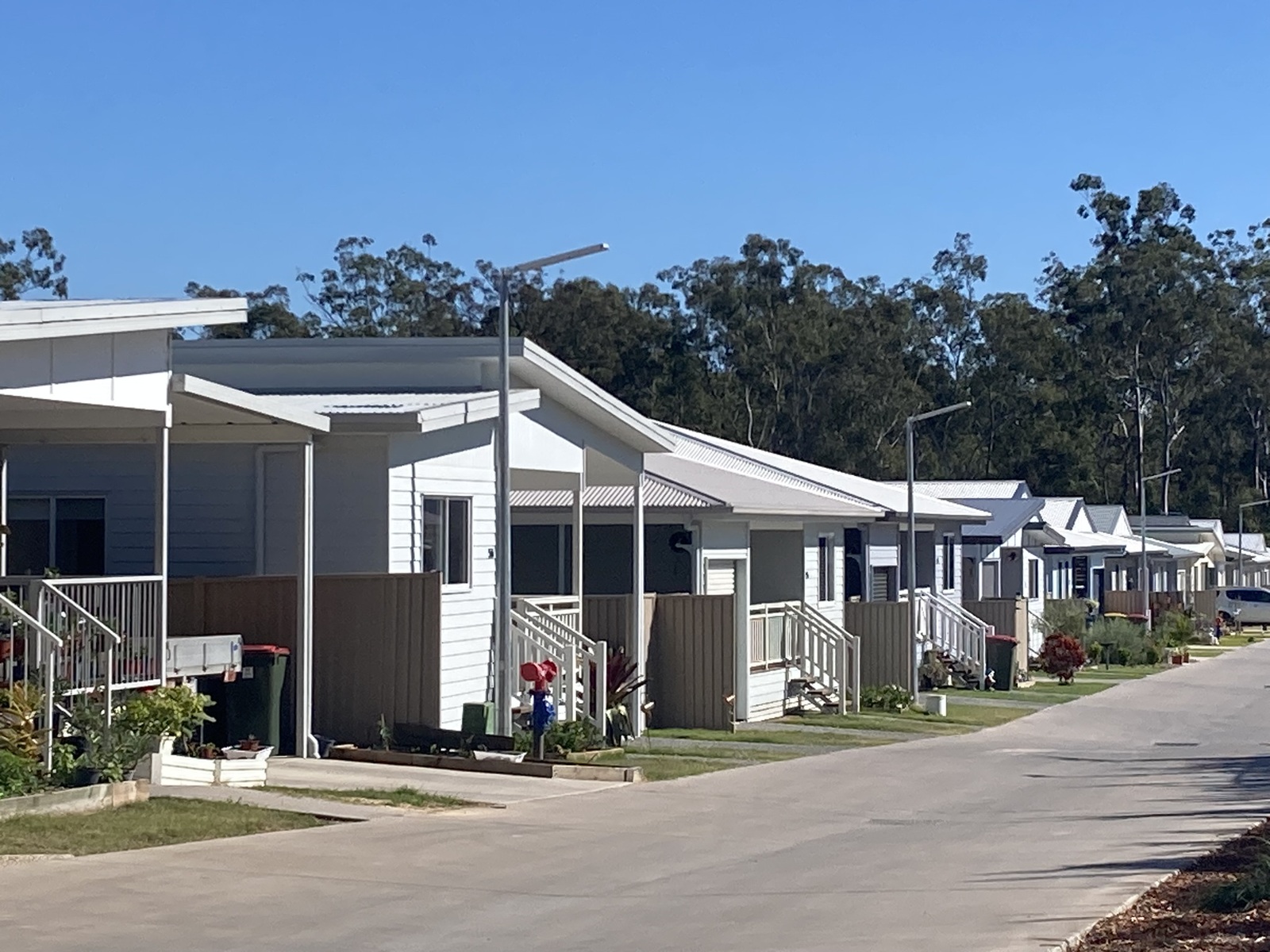
MHIA has been working with the land lease community in Australia since 1990, but things have changed a lot over the last few decades. Today, these communities can include everything from cabins and onsite caravans to modern detached homes. They stretch from well established communities through to luxury resort style estates and everything in between, all underpinned by a single consistent thread – you own the home and rent the land.
To help you decide whether land lease living could suit your retirement lifestyle, we’ve answered some common questions.
The basic idea is that you own the home, but not the land underneath it.
While it’s a different model to the more typical suburban property, where the house and land are generally purchased together, this is exactly what makes it so attractive to new and existing homeowners.
The land is owned by the community operator and you pay to lease your residential site. This is known as a ‘site fee’.
The laws, terminology and requirements covering land lease communities vary between states and territories, so always check the current rules where you’re looking to buy.
Not at all.
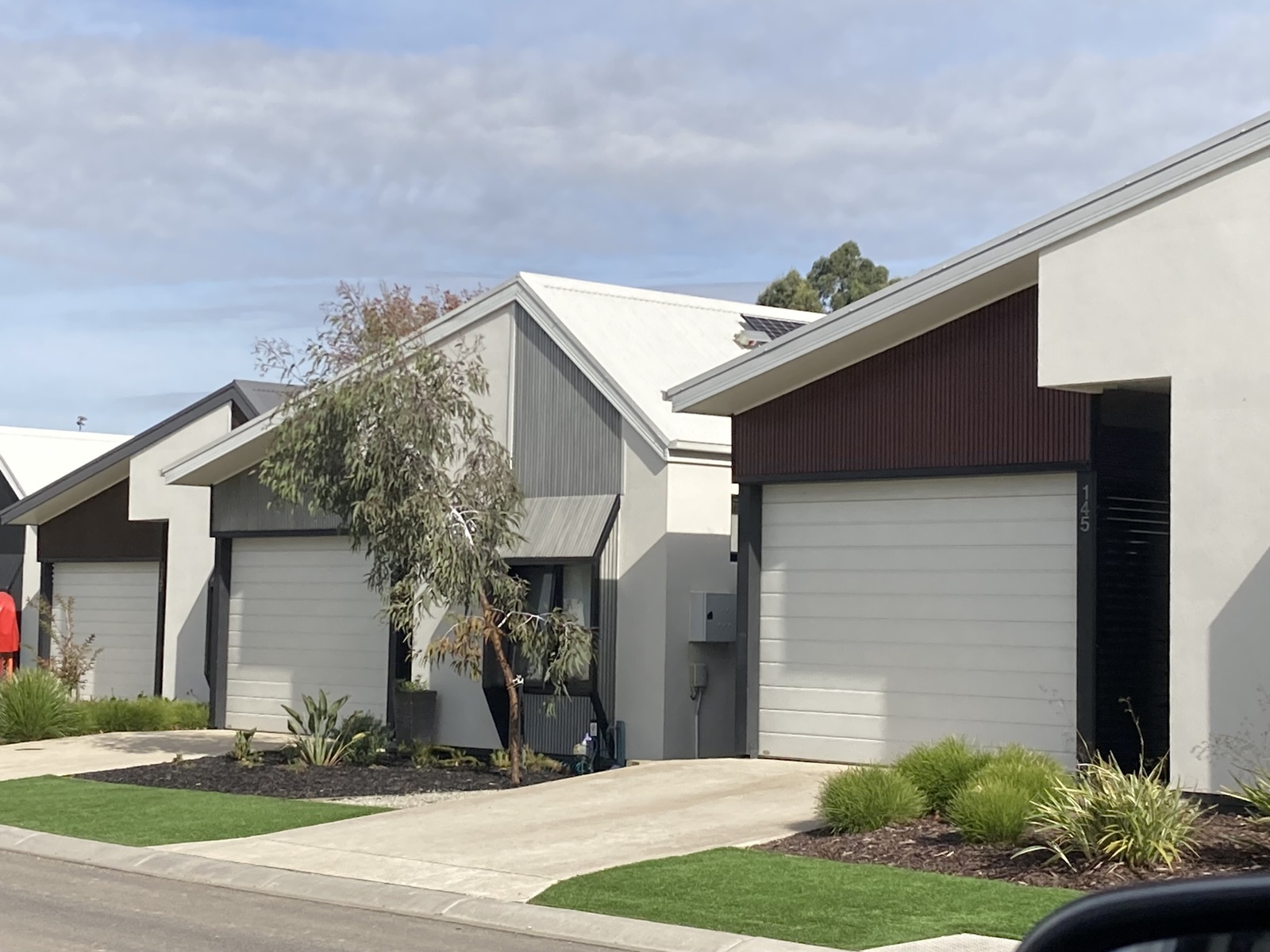
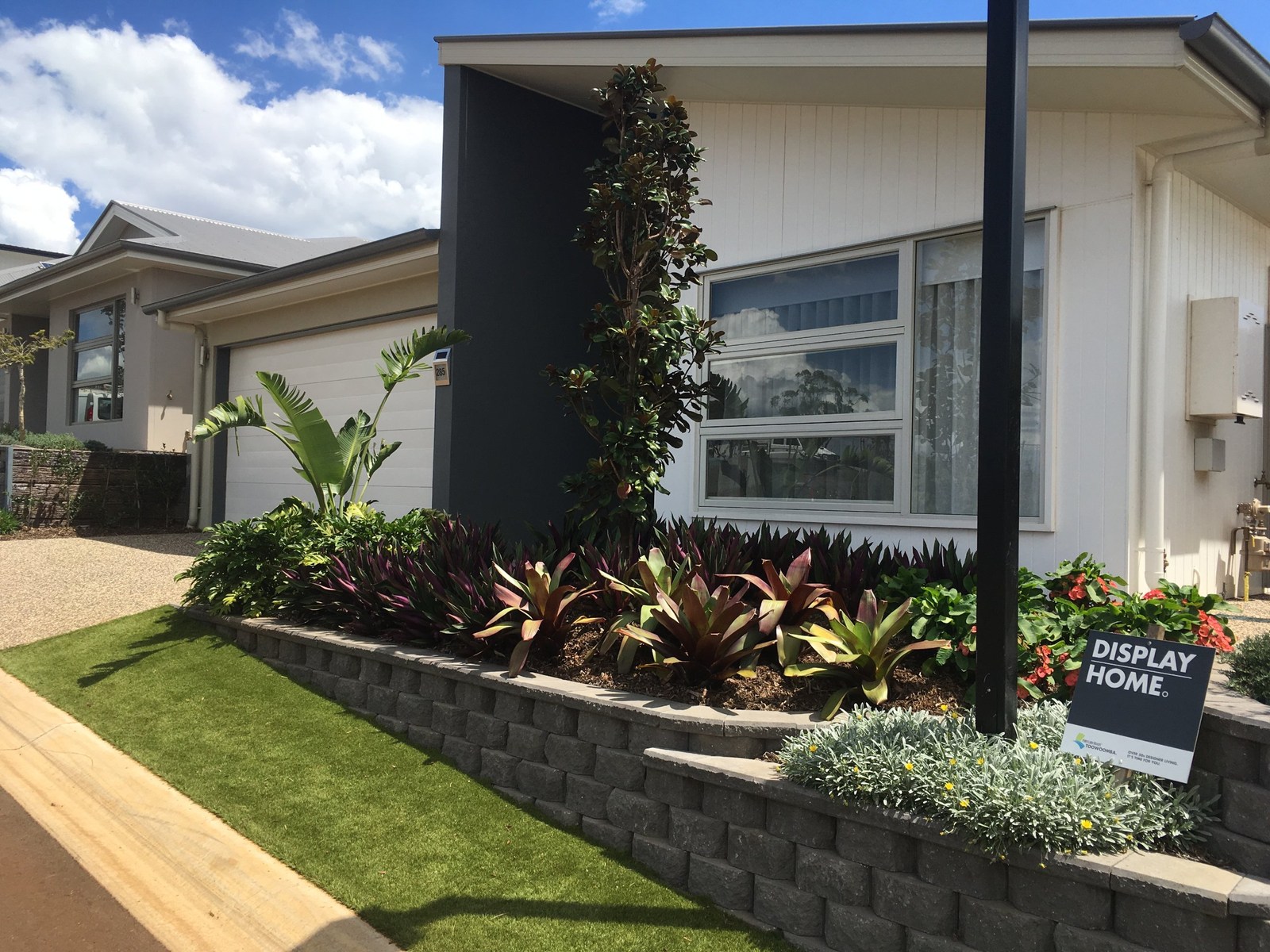
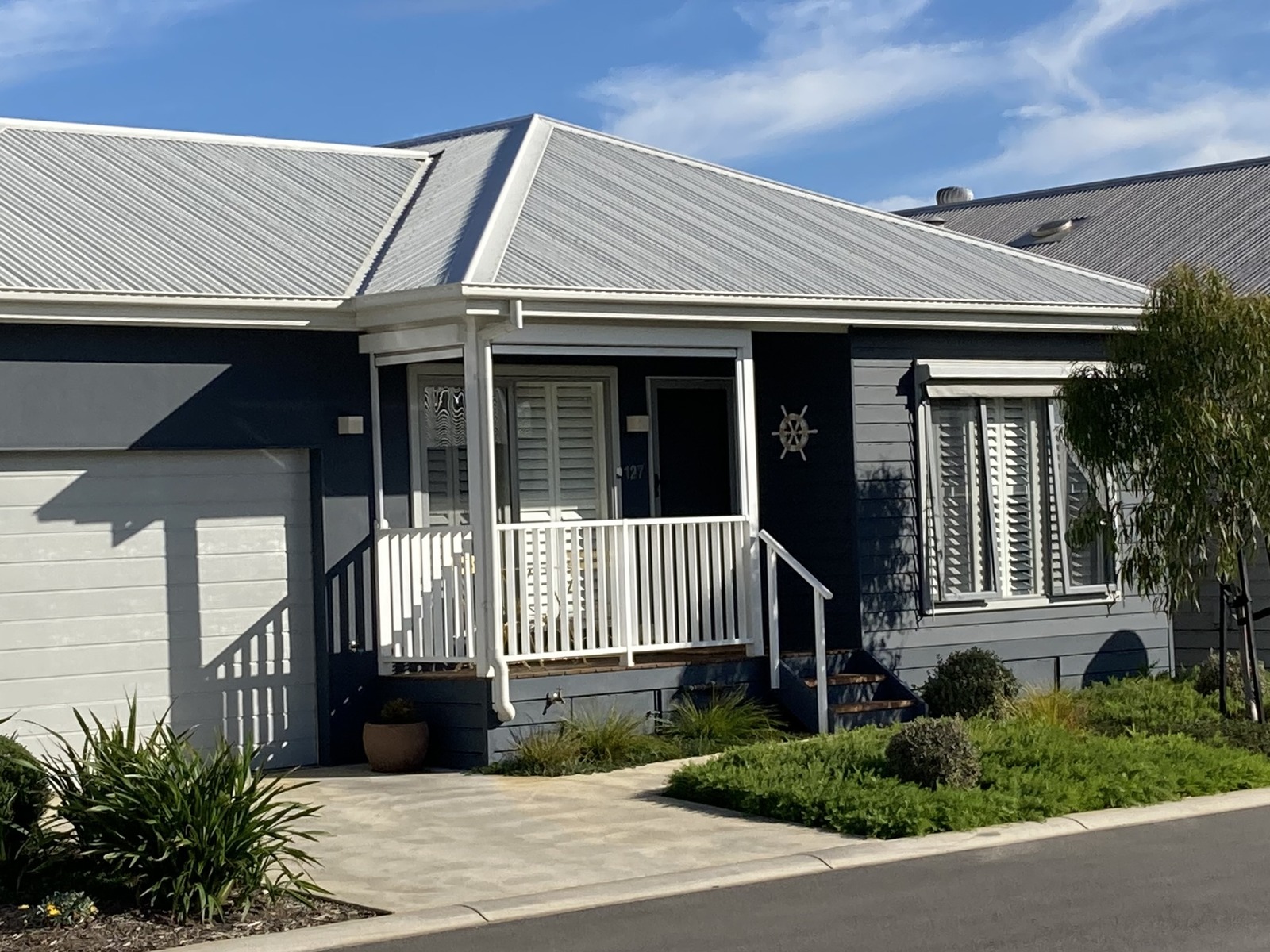
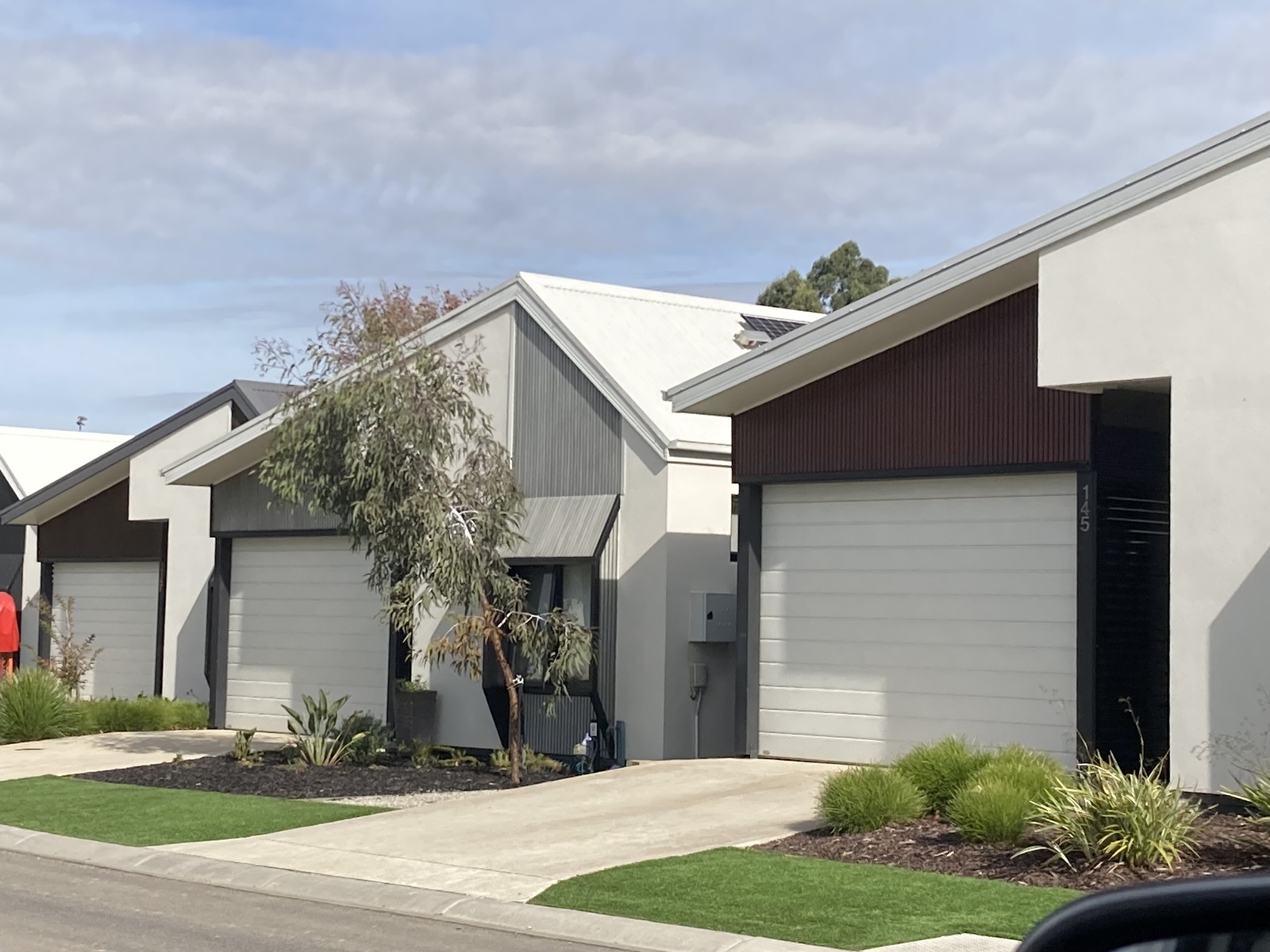
Some communities include cabins, relocatable homes or onsite caravans. Others look much more like a modern residential neighbourhood, with detached homes, gardens and established streets.
They can also vary in location, home prices, community size, facilities and the type of lifestyle they offer.
You will usually pay the community operator an ongoing site fee.
Think of the site fee as something similar to council rates or strata fees. It’s a regular housing cost you need to include when budgeting.
You may also have costs such as utilities, home maintenance and of course, your home and contents insurance.
How site fees are calculated and increased depends on the relevant state or territory laws and your site agreement, so check both before you commit.
This depends entirely on the community.
Some offer shared facilities such as swimming pools, community halls, gardens, barbecue areas, gyms, sporting facilities or spaces for clubs and social activities.
If you enjoy being involved in community life, having activities within walking distance of home can be a real game changer. Especially if you are moving into a new area or embracing your new ‘work free’ daytime hours.
Internal decorating and replacing furniture are very different from adding structures, changing the exterior or undertaking significant renovations.
The land lease community rules, your site agreement and standard council or planning requirements may affect what you can change.
A good rule of thumb is to check before doing something big like adding a deck, installing a shed or substantially changing the exterior.
Each land lease community will have some rules covering how residents use and enjoy the area and its facilities.
Before buying, think about what matters in your everyday life.
Can you keep your pet? Can family or friends stay overnight? Are there rules around parking or additional vehicles? If children or grandchildren regularly stay with you, are there any restrictions?
Don’t assume the rules in one community will apply to another. Ask for a copy and read them before making your decision.
You own the dwelling, so it can be sold. But selling a land lease home can work differently from selling a traditional house.
The process can be affected by your site agreement and the laws in your state or territory. There may also be requirements involving the community operator and the person buying your home.
For example, NSW homeowners have the right to sell their home onsite, but particular notification and disclosure requirements apply.
Understanding the sale process before you buy can help prevent surprises later.
This is one of those areas where it pays to check the current rules rather than rely on what applied to someone else.
You generally don’t pay stamp duty when buying a home in a land lease community in Australia because you’re buying the physical dwelling rather than the land. Check the current rules in your state or territory before buying.
If you’re selling your current home to make the move, the main residence exemption generally means you won’t pay capital gains tax (CGT) on that sale, according to the Australian Taxation Office (ATO).
A move can also affect how Centrelink assesses your circumstances, including homeownership status, assets and eligibility for payments such as Rent Assistance.
Rules can change, so check current information from the ATO, Services Australia and the relevant authority in your state or territory before making financial decisions.
Seek professional financial, tax or legal advice where appropriate.
Before moving into a land lease community, check whether your existing home and contents insurance is suitable for your new home because insurance eligibility, cover, limits and exclusions vary between insurers and policies.
MHIA has specialised in home and contents insurance for land lease homes, manufactured homes, cabins and onsite caravans since 1990. In fact, it’s all we do.
Once you know the type of home and community you’re considering, we encourage you to contact us to chat about your insurance options. Maybe even get a quote.
If you’re only beginning your research, you don’t need to know everything today.
Understanding how it all works, and knowing what questions to ask, gives you a much better starting point for deciding whether land lease living is right for you.